
Compact cranes
Mini Crane vs. Spider Crane vs. Towable Crane: Choosing a Compact Crane
"Compact crane" covers several very different machines. A spider crane, a pick-and-carry crane and a towable crane can all lift a pallet onto a roof or set a rooftop unit, but they get to the job, set up and move around in completely different ways. Choosing the wrong one usually shows up as extra transport cost or a machine that cannot reach where the work is.
Updated September 29, 2026 · By the Equipter team, Leola, PA
This guide explains each type in plain terms and gives you a way to compare them for your own jobs.
What counts as a compact crane
A compact crane is any crane small enough to work on residential and light commercial sites where a truck-mounted mobile crane is too large, too heavy or too expensive to bring in. The main types are:
- Mini cranes and spider cranes: small, tracked cranes with fold-out outriggers.
- Pick-and-carry cranes: cranes that can lift a load and drive with it.
- Towable and self-propelled cranes: cranes that tow behind a truck like a trailer, then drive themselves into position.
Mini cranes and spider cranes
A spider crane gets its name from the four outrigger legs that fold out around it. On tracks, it can travel through doorways and narrow paths, then spread its outriggers to lift. Mini crane and spider crane are often used for the same machine.
Strengths: very small footprint when folded, good for interiors, glazing and tight urban sites.
Trade-offs: most need a trailer or truck to reach the job, setup takes time, and capacity falls off quickly as the boom extends. Rated capacities run from about 1 ton on the smallest models to around 10 tons on the largest, and the narrowest fold down to about 2 feet wide. Those ratings apply close in: one crane rental company's example shows a crane rated near 3.8 tonnes lifting only about 0.2 tonnes at its maximum 16-meter radius.
Pick-and-carry cranes
A pick-and-carry crane is designed to lift a load and travel with it, like a forklift with a boom. They are common in industrial plants, yards and precast work.
Strengths: moving loads around a site without resetting.
Trade-offs: they are generally heavier machines that are delivered by trailer, and carrying loads over soft ground or lawns is limited.
Towable and self-propelled cranes: the Equipter 5400
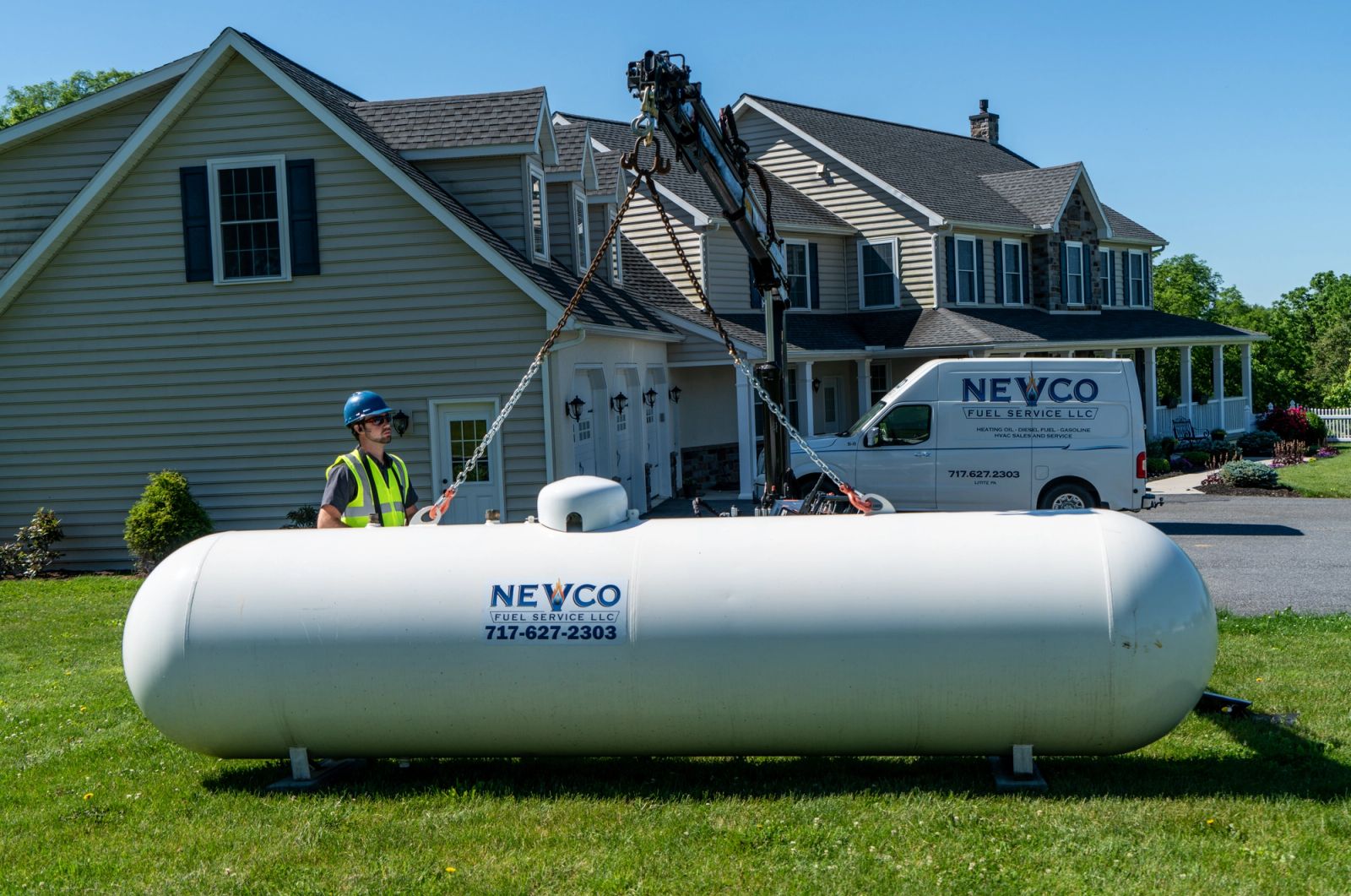
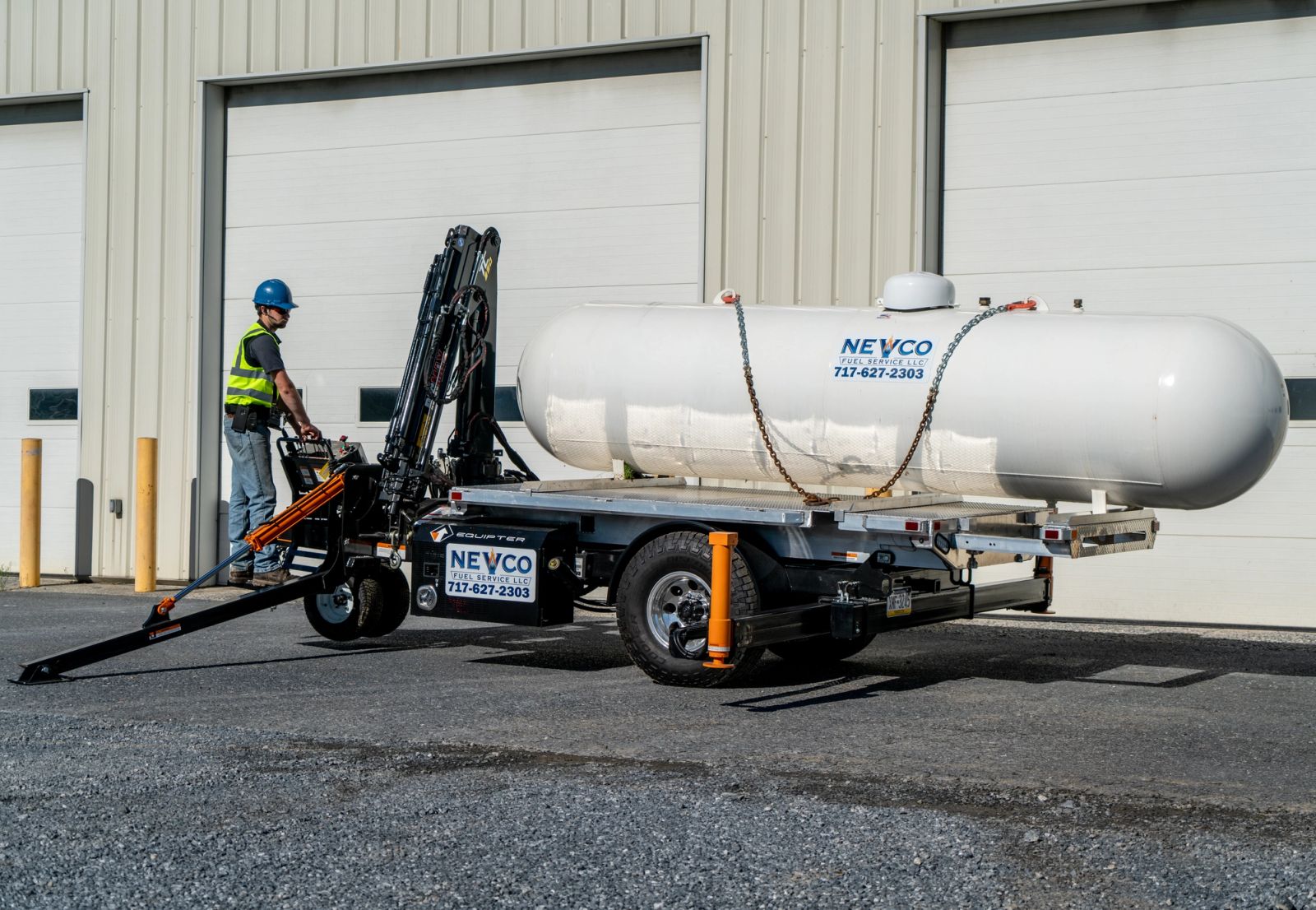
A towable crane hitches to a truck and travels to the job like a trailer, so there is no flatbed or delivery to schedule. Once on site, a self-propelled model unhitches and drives itself to the lift point.
The Equipter 5400 works this way. It lifts up to 4,431 lbs, reaches 23 feet, and still lifts 893 lbs at full extension. It has a 7,500 lb GVWR and weighs 5,280 lbs, with wide tires designed to minimize ground disturbance. Operators run it by remote control, and independent outriggers stabilize it for each lift. Check your truck's tow rating and hitch before hauling any equipment.
How they compare: transport, setup, reach and capacity
Compare compact cranes on these five points:
- Transport: does it need a trailer and a second vehicle, or does it tow behind the truck your crew already drives?
- Access: will it fit through the gate, side yard or doorway on your typical job?
- Setup time: how long from arrival to first lift, including outriggers?
- Capacity at reach: what does it lift at the distance you actually need, not just at its maximum?
- Ground impact: how heavy is it, and what does it do to lawns and pavers?
A spider crane usually wins on access through buildings. A towable crane usually wins on transport and on outdoor residential jobs where the load has to cross a yard. Pick-and-carry cranes suit sites where loads move constantly around paved yards.
Rent vs. own
If you need a crane a few times a year, renting is simpler; price in delivery and pickup, not just the day rate. If you are placing materials every week, such as roofing pallets, HVAC units, hot tubs or stone, owning a crane that travels with your crew removes the scheduling delays. Our roofing crane vs. boom truck vs. conveyor guide walks through that decision for roofing specifically.
Answers
Frequently asked questions
What is a mini crane?
A mini crane is a small crane, often on tracks, designed to work in tight spaces where a full-size mobile crane will not fit. Many mini cranes use fold-out outriggers and are called spider cranes.
What is the difference between a spider crane and a mini crane?
The terms are often used for the same machine. "Spider crane" describes the four fold-out outrigger legs that look like a spider's legs. "Mini crane" is the broader size category.
Can you tow a crane with a pickup?
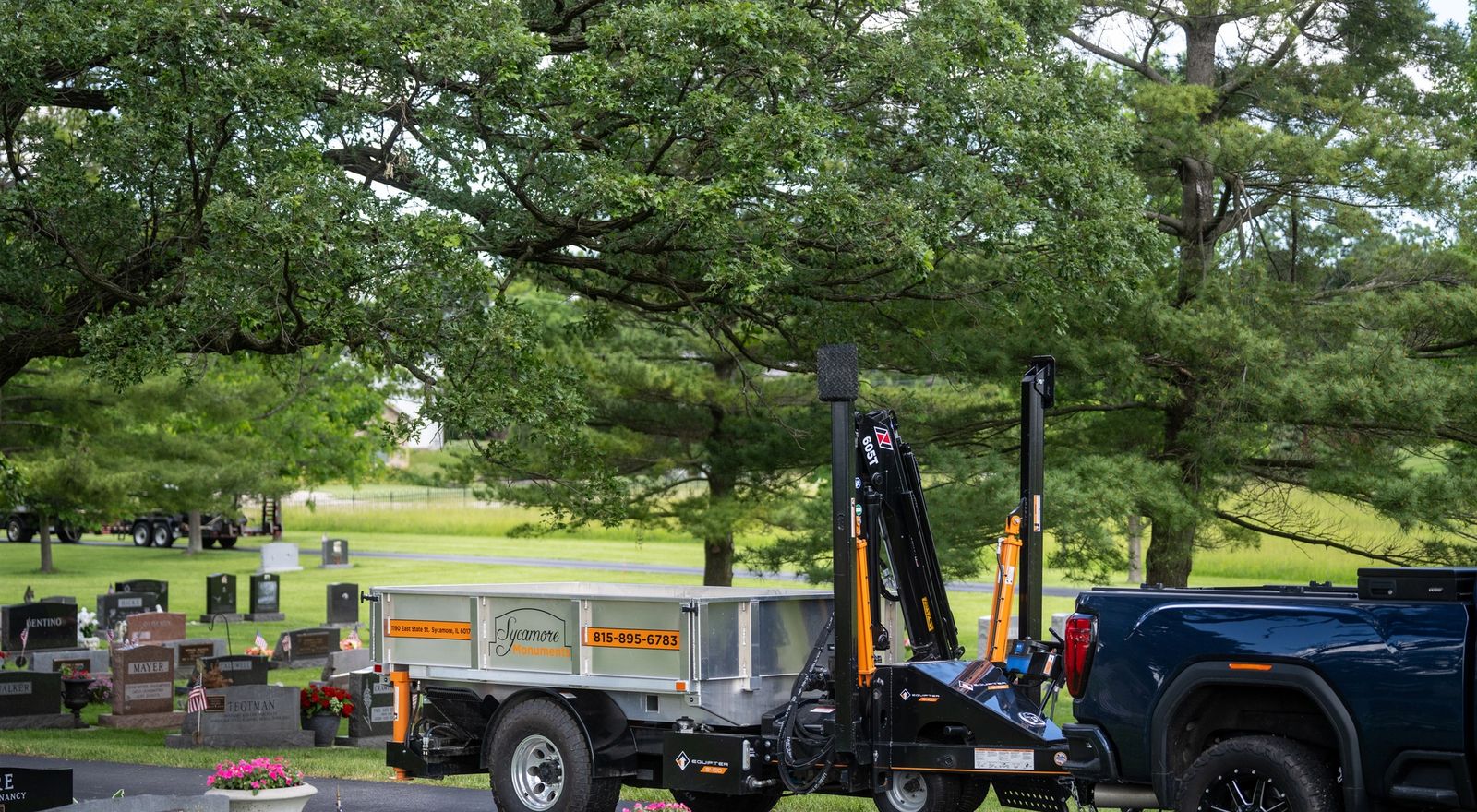
Some compact cranes are designed to tow behind a pickup. The Equipter 5400 is a towable crane with a 7,500 lb GVWR. Always confirm your truck's tow rating, hitch and local trailer rules first.
How much does a small crane rental cost?
Small crane rental rates vary by region, machine and duration, and delivery is often charged separately. Get quotes that include transport both ways, operator requirements and any setup fees.
See a towable crane at work
If your crane jobs are outdoor and residential, build your Equipter 5400 or find a rental location to try one.
Keep reading
How to get shingles on the roof.
Setting rooftop units.
Spa delivery equipment for dealers.